Hackney Council rubbish rules: permits, collections and fines
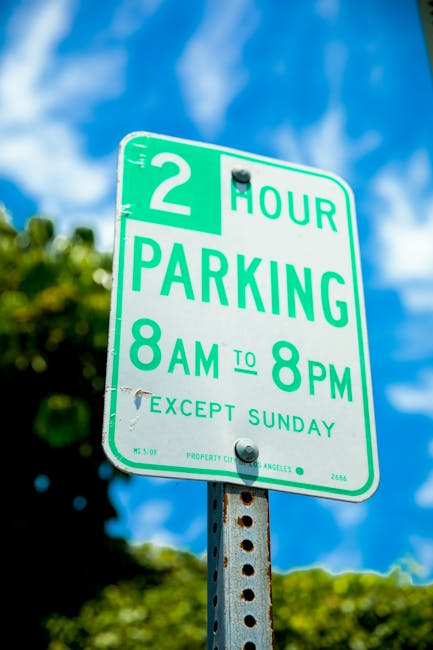
If you live, work, or run a project in Hackney, rubbish rules can get confusing fast. One minute you're clearing a flat after a move, the next you're staring at a pile of bags, a broken wardrobe, or a builder's skip that may or may not need a permit. That's where understanding Hackney Council rubbish rules: permits, collections and fines really matters. Get it wrong, and you could face delays, extra costs, or a fine that feels a lot more annoying than the original waste problem.
This guide breaks the subject down in plain English: when permits are needed, how council collections usually work, what can trigger penalties, and the practical steps that save time and stress. No waffle. Just the useful stuff you can actually use on a Monday morning when the hallway is full and the neighbours are already looking out of the window.
Why Hackney Council rubbish rules: permits, collections and fines Matters
Rubbish rules are not just a box-ticking exercise. In a borough like Hackney, space is tight, streets are busy, and waste sitting out for too long can quickly become a nuisance. A bag left beside a street tree, a sofa dumped outside a block, or rubble placed on the pavement "just for a few hours" can all lead to trouble. The council has to keep routes clear, reduce fly-tipping, and stop one person's mess becoming everyone else's problem.
For residents, the main issues usually come down to three things: how to get rid of waste legally, whether you need a permit for a skip or scaffold, and what happens if waste is put out the wrong way. For businesses and landlords, there's another layer: duty of care. In practice, that means you should be able to show your waste was handled responsibly. Not glamorous, but very real.
There's also the money side. A missed collection, an unpermitted skip, or an enforcement notice can cost far more than booking the right service in the first place. To be fair, most people are not trying to break rules. They just want the clutter gone. But councils judge the outcome, not the intention.
Expert summary: If your rubbish is bulky, commercial, construction-related, or likely to sit on public land, assume there may be extra rules. Check first, act early, and keep a record of what you arranged. That simple habit prevents a lot of pain later.
How Hackney Council rubbish rules: permits, collections and fines Works
Hackney rubbish rules generally follow a straightforward pattern, even if the details change depending on what you're throwing away. First, you need to identify the type of waste. Household rubbish, garden cuttings, old furniture, builder's rubble, office clearances, and commercial waste do not always follow the same process. That's the key thing many people miss. Waste is not just waste.
Second, work out where the waste will be kept before collection. If everything stays within private property until it is removed, the process is usually simpler. The moment items go onto a pavement, road, verge, or other public area, the risk of needing a permit rises sharply. Skips, scaffolding, and sometimes even temporary storage arrangements are the usual examples.
Third, check whether the council collection route is suitable. Standard council services are often best for normal household waste and certain bulky items, but they may have limits on size, timing, or what they will take. If you have mixed waste from a renovation, a loft clear-out, or a commercial move, you may need a different route altogether. That's where services such as waste removal or specialist clearances can be more practical than trying to force everything into one collection slot.
Finally, fines usually come into play when waste is dumped, blocked, mis-sorted, or left out in a way that breaches local rules. The exact enforcement route can vary, but in broad terms the council can act where waste causes obstruction, nuisance, or illegal disposal. Nobody enjoys reading a notice with official language on it. Not exactly a highlight of the week.
A useful way to think about it is this: if your waste is ordinary, small, and staying on private land until collection, life is easier. If it is bulky, commercial, or touching public space, pause and check the rules before moving anything.
Key Benefits and Practical Advantages
Following the rules gives you more than just peace of mind. It can make the whole clear-out faster, cleaner, and less stressful.
- Lower risk of fines: The obvious one. If your waste is legal, labelled, and collected properly, you avoid the avoidable costs.
- Less disruption to neighbours: No one wants bags blocking a shared entrance or a skip making the street awkward to navigate.
- Cleaner handover for landlords and tenants: A proper clearance means fewer disputes at the end of a tenancy or sale.
- Safer work sites: Builders' waste left around can create trip hazards very quickly.
- Better recycling outcomes: When waste is sorted well, more can be reused or recycled instead of being mixed into general rubbish.
There is also a soft benefit people underestimate: momentum. Once the waste plan is clear, the whole project moves. A flat move feels less overwhelming. A garage clearance becomes manageable. The room suddenly looks smaller in a better way, if that makes sense. You can breathe again.
If you're dealing with mixed furniture, old beds, or heavy items from a property clear-out, it can help to look at services like furniture clearance, furniture disposal, or a broader home clearance. Choosing the right route often saves a second trip and a lot of lifting.
Who This Is For and When It Makes Sense
This topic matters to more people than you might expect. If you only put out a black bag once a week, you may never think about permits or enforcement. But the moment a bigger job appears, the picture changes.
Homeowners and tenants
If you are clearing out a flat, replacing furniture, or dealing with post-move clutter, the main question is whether the waste can go through normal household channels. For small amounts, that may be fine. For bulky items, large volumes, or awkward collections, it may not be.
Landlords and letting agents
End-of-tenancy clearances often surface surprise waste: broken wardrobes, old mattresses, bagged rubbish, garden waste, and sometimes the odd mystery item nobody claims. A clear process helps you avoid complaints and keep turnaround times tight. In a busy area, that matters.
Businesses and office managers
Commercial waste has its own expectations. Paper, packaging, IT equipment, desks, chairs, and mixed office rubbish should not be treated casually. If you need a professional route, a dedicated business waste removal service or office clearance may fit better than trying to squeeze it into regular collections.
Builders, tradespeople and DIYers
Rubble, plasterboard, timber, tiles, and old fittings add up quickly. Builders' waste is where permit issues show up most often, especially if a skip is placed on the road. If that's your situation, consider the permit question before the skip arrives. Same with larger renovation jobs. It's a nuisance to sort it mid-project.
Garden and garage clearers
Garden waste and garage clutter can look harmless, but once it's piled up you may still need a proper collection route. If you're stripping out a shed, clearing soil, or removing old tools and broken furniture, a dedicated garden clearance or garage clearance may be more efficient.
Step-by-Step Guidance
Here is the simplest way to deal with rubbish in Hackney without overcomplicating it.
- Identify the waste type. Separate household rubbish, bulky items, garden waste, and building debris. Mixed loads are where mistakes creep in.
- Check whether it will touch public land. If a skip, pile, or container sits on the street, assume a permit or formal approval may be needed.
- Confirm what the council collection can take. Standard collections may be suitable for some household items, but not all bulky or specialist waste.
- Decide whether a private clearance is easier. For awkward loads, tight access, or time-sensitive jobs, a professional collection can be simpler than juggling multiple council rules.
- Keep proof. Save booking confirmations, receipts, and any permit or collection details. If there's ever a question, evidence helps.
- Set waste out correctly. Follow timing instructions and do not block pavements, entrances, or shared access routes.
- Remove leftovers quickly. One small bag left behind often becomes three. It happens more than people admit.
If your clear-out includes heavy household items, consider whether a broader service such as house clearance, flat clearance, or loft clearance would be a better fit. Sometimes the smartest option is the one that removes the headache in one go.
Expert Tips for Better Results
Here are a few practical habits that make a noticeable difference.
- Book before the clutter becomes urgent. Deadlines lead to rushed decisions, and rushed decisions lead to missed rules.
- Measure access properly. Narrow stairwells, shared entrances, loading restrictions, and parking challenges can turn a simple job into a faff.
- Keep dry and wet waste separate where possible. It improves recycling potential and makes handling easier.
- Photograph the waste before collection. Helpful for landlords, agents, and anyone who wants a clean record.
- Ask about recycling and disposal routes. A responsible provider should be able to explain how different waste streams are handled.
A small real-world example: if you're clearing a second-floor flat on a wet Thursday evening, the difference between a well-planned collection and a last-minute scramble is huge. One is calm-ish. The other involves soggy cardboard, a blocked doorway, and someone saying "I thought it'd be fine" a bit too late. We've all seen versions of that scene.
For businesses in particular, it can be worth looking at services that show clear operating standards. Pages like recycling and sustainability and health and safety policy are useful signs that a provider thinks beyond the pickup itself.
Common Mistakes to Avoid
Most rubbish problems in Hackney come from a handful of repeat errors. The good news is they are easy to avoid once you know them.
- Leaving waste on the pavement too early. Timing matters. Early placement can attract complaints or enforcement.
- Assuming a skip never needs a permit. If it goes on the public highway, it is a different story.
- Mixing commercial waste with household rubbish. This can create compliance issues and complicate collection.
- Using a random third party with no clear paperwork. Duty of care still applies. If something is dumped later, you may be asked questions.
- Forgetting bulky items need planning. Mattresses, sofas, cabinets, white goods - they take more space than people think.
- Ignoring shared access rules in blocks of flats. In tight buildings, one badly placed item can upset the whole floor.
Truth be told, the biggest mistake is usually assuming "someone will sort it out later." Later tends to arrive with a complaint, a blocked corridor, or an invoice you didn't want.
Tools, Resources and Recommendations
You do not need a complicated system, but a few basic tools make compliance much easier.
- Waste inventory list: Write down what you need to remove before you book anything.
- Photo log: Handy for claims, tenancy handovers, or simply keeping track of what went out.
- Access notes: Include parking, stairs, lift availability, and any loading restrictions.
- Segregation bags or boxes: Useful for separating recyclable material, electronics, and general waste.
- Collection timing plan: Especially helpful for offices, shops, and building projects.
When choosing a provider, look for clear pricing, straightforward terms, and obvious safety standards. Pages such as pricing and quotes, insurance and safety, and terms and conditions are the kind of things worth checking before you commit. A few minutes here can save a lot of frustration later.
If you want a provider with a simple booking journey, the main home page and contact page can help you judge how quickly the next step is handled. Keep it practical. Keep it simple.
Law, Compliance, Standards, or Best Practice
Waste rules in the UK are shaped by a mix of local authority requirements, environmental responsibilities, and general duty-of-care principles. You do not need to be a lawyer to follow them, but you do need to be careful. If waste is produced from a business, trade, or managed property, the expectation is usually higher than for a simple household bin collection.
Best practice usually includes:
- disposing of waste through legitimate channels
- keeping records of who collected it and when
- using the correct route for bulky, commercial, or construction waste
- not placing waste where it obstructs public access
- checking whether a permit is required before using the public highway
For builders and trades, the safest approach is to treat skip placement and rubble handling as a planning task, not an afterthought. For landlords and agents, a clear paper trail is invaluable. For households, the main thing is still the same: don't guess if the situation is unusual. Ask first.
If your job involves construction debris, builders waste clearance is usually more appropriate than trying to use a standard household route. And if the waste sits within an office or workplace, business waste removal can help align the collection with day-to-day operations.
Options, Methods, or Comparison Table
Not every rubbish job needs the same solution. The table below gives a practical comparison so you can choose the route that fits the job, not just the one that seems easiest in the moment.
| Option | Best for | Pros | Watch-outs |
|---|---|---|---|
| Council collection | Standard household waste and some bulky items | Familiar process, suitable for simple clear-outs | May have limits on what, when, and how much |
| Skip hire with permit where needed | Renovations, builders' waste, larger projects | Useful for ongoing work and larger volumes | Permit may be required if placed on the road |
| Private waste removal | Mixed loads, fast turnarounds, awkward access | Flexible, often quicker, less disruption | You still need a reputable operator and proper paperwork |
| Specialist clearance | Homes, flats, lofts, garages, offices, gardens | Tailored to the property and the waste type | Choose the right service so the load is handled correctly |
If you're comparing options for an awkward property clear-out, it can help to think in terms of access, speed, and waste type. For example, a loft full of mixed household items is very different from a paved driveway full of broken tiles. Same street, very different job.
Case Study or Real-World Example
Imagine a two-bedroom flat in Hackney after a tenancy ends. The outgoing tenant has left a broken desk, a mattress, several bin bags, and a few loose items in the hallway. The landlord wants the property turned around quickly because viewings start on Friday. The temptation is to drag everything outside and sort it later. Bad idea.
A better approach is to separate the waste into categories first. The mattress and desk may need bulky collection. The bags might be standard rubbish. If there is any chance the items will go onto the pavement, the timing and permit question comes up immediately. The landlord or agent then books the right clearance route, keeps the confirmation, and avoids leaving anything in the shared area overnight.
In a case like that, a service such as flat clearance is often more suitable than a general bin solution. If the flat contains furniture that should be removed as part of the job, furniture disposal can also keep the process tidy and efficient.
The difference is not dramatic on paper, but in real life it is. One approach creates a trail of stress, missed deadlines, and a half-cleared hallway. The other gets the keys handed over on time. Simple as that.
Practical Checklist
Use this checklist before any rubbish collection, skip hire, or clearance job in Hackney.
- Have I identified the exact waste type?
- Will any item sit on public land before collection?
- Do I need a permit, approval, or special arrangement?
- Have I separated general waste, bulky items, and recyclable materials?
- Do I have booking confirmation or collection details saved?
- Have I checked access, parking, stairs, and lifting routes?
- Will the items be removed without blocking neighbours or shared entrances?
- Is this household, commercial, or construction waste?
- Have I chosen the right service for the volume and timing?
- Do I know who I can contact if plans change at short notice?
That checklist sounds basic, but basic is often where people slip. Especially when a property is busy, dusty, and full of things that seemed smaller a week ago.
Get a free quote today and see how much you can save.
Conclusion
Hackney Council rubbish rules can feel fiddly, but the logic behind them is sensible: keep streets clear, manage waste properly, and stop avoidable dumping. Once you know when permits come into play, how collections work, and what can trigger fines, the whole picture becomes much easier to handle.
The smartest move is usually the calm one. Check the waste type, confirm whether anything touches public land, and choose the right collection route before the mess grows legs. That may sound obvious, but honestly, it is where most stress gets avoided.
If you need a clear-out that feels manageable rather than chaotic, start with the facts, keep the paperwork, and give yourself a bit of breathing room. A tidy finish is worth it.
And when the last bag is gone and the space finally looks like itself again, that quiet little relief? Hard to beat.
Frequently Asked Questions
Do I need a permit for a skip in Hackney?
If the skip is going on a public road or pavement, a permit is often the thing to check first. If it stays fully on private land, the situation may be different. The safest approach is to confirm before delivery rather than after.
What happens if I leave rubbish on the pavement?
Leaving rubbish on the pavement can lead to complaints, enforcement action, or a fine if it breaches local rules. It can also block access for neighbours, pedestrians, or emergency services, which is exactly the sort of thing councils take seriously.
Can I use council collections for bulky items?
Sometimes, yes, but it depends on the item type, volume, and local service rules. Bulky collections are not always the best option for mixed or awkward loads, especially if there are several large items at once.
What counts as fly-tipping?
Fly-tipping generally means dumping waste illegally rather than disposing of it through a proper collection route. That can include leaving bags, furniture, or builder's rubble in unauthorised places. Even a small pile can count if it is not left legally.
Do businesses have different rubbish responsibilities?
Yes. Businesses usually have stronger duty-of-care expectations for waste handling, record keeping, and disposal routes. Commercial waste should be managed through appropriate channels rather than treated like ordinary household rubbish.
Is builder's waste treated differently from household waste?
Usually, yes. Builder's waste often includes rubble, timber, plasterboard, and other materials that need a more suitable collection method. A regular household collection may not be right for that sort of load.
What should I do with old furniture after a move?
If it is too bulky for standard disposal, book a clearance route that handles furniture properly. For larger loads, a dedicated furniture or home clearance can be much easier than trying to separate everything yourself at the kerb.
How do I avoid fines when clearing a flat?
Keep waste on private property until collection, use the right service for the load, and make sure timing and access are planned. Flat clearances often go wrong when items are left in shared spaces or outside too early.
Can I put garden waste out with general rubbish?
Sometimes small amounts may be accepted in a normal collection, but larger volumes are usually better handled as garden waste. Soil, branches, and green waste often need a more appropriate collection route.
What is the best option for mixed rubbish and furniture?
For mixed loads, a private waste removal or specialist clearance is often the most practical choice. It avoids multiple trips, reduces sorting headaches, and can be a cleaner option than trying to fit everything into one council collection.
How do I know if a waste provider is reliable?
Look for clear pricing, straightforward terms, safety information, and a sensible explanation of how waste is handled. Pages like about us and recycling and sustainability can give you a better feel for how seriously a provider takes the job.
What if I'm not sure whether I need a permit?
If there is any chance the waste or container will use public space, treat it as a permit question and check before you book. When in doubt, pause. It is much easier than fixing a mistake after the fact.