Hoxton Square Waste Pickup Guide for Flat-Share Clearouts
Flat-shares can be brilliant until the end of a tenancy, a room move, or a group declutter turns into a hallway full of furniture, bags, broken hangers, and "whose is this?" boxes. If you are sorting a Hoxton Square waste pickup guide for flat-share clearouts, the real challenge is not just getting rid of things. It is coordinating people, timings, access, recycling, and the sort of bulky waste that never seems to fit neatly into normal bins.
This guide is designed to help you clear a shared flat in a calm, organised way. You will find practical steps, local decision points, disposal options, and common mistakes to avoid. There is also a comparison table, a checklist, and a simple real-world example so you can move from cluttered to cleared without the usual end-of-tenancy scramble.
Quick takeaway: The best flat-share clearouts are planned around access, sorting, and the right disposal route for each item. That usually saves time, avoids disputes, and keeps recycling on track.
For readers who want support beyond the basics, services such as flat clearance, furniture disposal, and general waste removal can make the process much easier, especially when you are dealing with stairs, tight communal areas, or a deadline that is suddenly tomorrow.
Table of Contents
- Why Hoxton Square waste pickup guide for flat-share clearouts matters
- How waste pickup for a flat-share clearout works
- Key benefits and practical advantages
- Who this is for and when it makes sense
- Step-by-step guidance
- Expert tips for better results
- Common mistakes to avoid
- Tools, resources and recommendations
- Law, compliance, standards and best practice
- Options, methods and comparison table
- Case study or real-world example
- Practical checklist
- Conclusion
- Frequently asked questions
Why Hoxton Square waste pickup guide for flat-share clearouts Matters
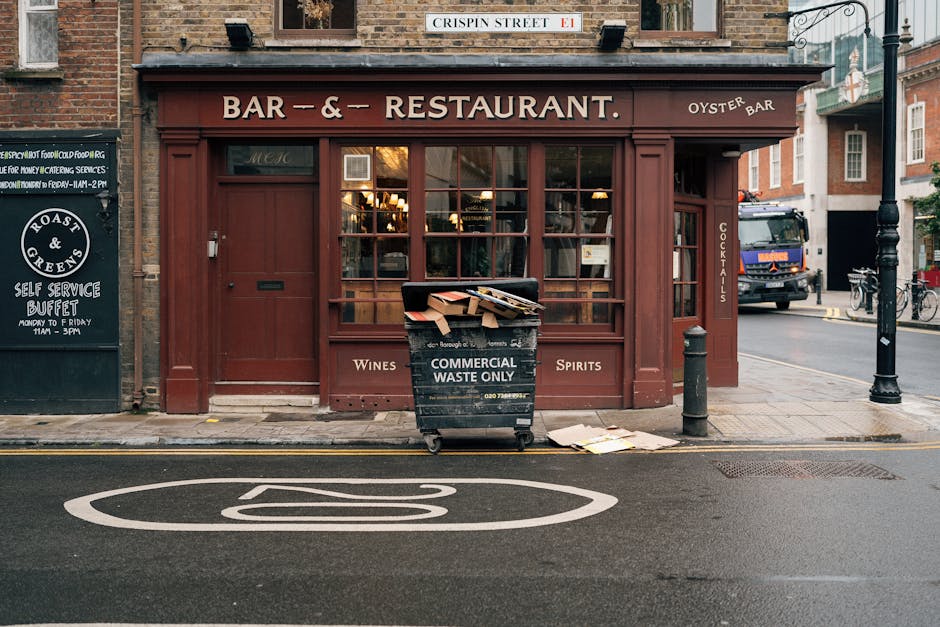
Hoxton Square and the surrounding streets have the kind of housing stock that often makes waste removal more awkward than it looks on paper: shared entrances, narrow staircases, limited kerbside space, and neighbours who notice when bags are left out too long. In a flat-share, those little frictions are multiplied because several people are moving at different speeds and making different assumptions.
A structured pickup plan matters because clearouts fail for predictable reasons. One housemate packs early, another keeps "maybe useful" items, someone else leaves bulky furniture until the last day, and suddenly the flat is not ready for handover. You also risk mixing reusable items with general rubbish, which is a missed opportunity and, in some cases, a disposal headache.
This is why a good plan is about more than collection. It is about sorting by category, assigning responsibilities, and choosing the right route for each item. If you are tackling a bigger mixed load, it can be sensible to look at the broader home clearance option too, especially where the flat-share has accumulated storage overflow, spare furniture, and end-of-lease leftovers.
There is also the time factor. Flat-share clearouts rarely happen in a relaxed, all-day way. More often, you are working around shift patterns, move-out dates, landlords, and lift windows. The clearer the waste pickup plan, the less likely you are to end up with a last-minute panic and one overloaded car boot doing far too much work.
How Hoxton Square waste pickup guide for flat-share clearouts Works
At a practical level, a flat-share waste pickup works by matching the right disposal method to the right type of item. Not everything belongs in the same pile. A broken desk, a mattress, food waste, old clothes, electricals, and reusable kitchenware all need different handling.
The process usually follows a pattern:
- Sort first. Separate items into keep, donate, recycle, and dispose.
- Confirm what is bulky. Sofas, wardrobes, bed frames, and appliances need extra planning.
- Check access. Measure doorways, stairs, lifts, and loading space if needed.
- Choose the disposal route. That could mean council collection, charity donation, recycling, or a private clearance service.
- Book a pickup window. Tie the collection to the move-out schedule rather than guessing.
- Clear the path. Make sure items can be moved out safely and quickly on the day.
For many shared flats, especially when several bulky items need moving, a professional service is the simplest route. Pages such as furniture clearance and house clearance are useful starting points when the load is too mixed or too large for ad hoc trips.
A smart pickup plan also considers waste streams. For example, electronics may need separate handling from general rubbish, while reusable chairs or shelving could be sent for resale or donation instead of disposal. Truth be told, the more you separate early, the less likely you are to stand in a corridor wondering why the job suddenly feels twice as big.
Key Benefits and Practical Advantages
A well-run flat-share clearout does more than empty rooms. It reduces friction between housemates, helps protect deposits, and keeps the whole move-out process manageable. That sounds obvious, but in practice it is often the difference between a smooth handover and a stressful final day.
Here are the main benefits:
- Less last-minute chaos: You are not trying to arrange transport while also packing.
- Better recycling outcomes: Items are separated properly rather than bundled together.
- Safer handling: Heavy or awkward items are removed with fewer risks of injury or damage.
- Cleaner communal areas: Hallways, stairs, and entrances stay easier to manage.
- Clearer responsibility: Everyone knows what they are doing and when.
- Potentially lower costs: Planning can help avoid multiple trips or repeated collections.
There is also a practical benefit that gets overlooked: if you clear the flat in one controlled session, you are less likely to misplace keys, paperwork, or items that one housemate still wanted. That one missing box at the back of a van can be surprisingly important.
If sustainability matters to your household, take a look at the operator's recycling and sustainability approach. For many residents, that is a deciding factor when comparing pickup and clearance options.
Who This Is For and When It Makes Sense
This guide is for anyone dealing with shared accommodation around Hoxton Square, especially if the flat needs to be emptied quickly or carefully. It is useful for:
- students ending a tenancy
- young professionals moving between rooms or flats
- households splitting up and dividing possessions
- landlords or agents preparing a property after a shared occupancy
- roommates clearing common areas after years of accumulated clutter
- people dealing with bulky furniture that will not fit in a normal bin system
It makes particular sense when the situation has any of these features:
- multiple people contributing different items
- a limited time window to clear everything
- mixed waste types rather than just bags of rubbish
- stairs, tight turns, or awkward access
- items that could be reused, donated, or recycled
A shared flat often creates a strange middle ground: each person owns some things, but the space itself feels collective. That is where clearout plans go wrong if nobody takes ownership. If the flat is more than just a few bags and one chair, a more complete service like flat clearance or even furniture clearance can be a realistic, time-saving choice.
If you are not sure whether your job is "small waste pickup" or "full clearout," the safest answer is to list the items first. The category usually becomes obvious once the pile is visible.
Step-by-Step Guidance
The most reliable flat-share clearouts follow a simple sequence. Do not start by carrying things to the pavement. Start by deciding what you actually have.
1. Walk the flat and make a full inventory
Go room by room: bedrooms, kitchen, hallway, under beds, cupboards, loft spaces if there are any, and shared storage. You are looking for bulky items, general rubbish, donate-able goods, and anything fragile or valuable.
A quick inventory prevents a common flat-share problem: one person assumes the sofa is being kept while another assumes it is going. That is how arguments start over objects nobody wanted three weeks ago.
2. Separate items into clear categories
- Keep: items moving to the next home
- Donate or sell: usable furniture, kitchenware, decor
- Recycle: metal, cardboard, certain electricals, textiles where accepted
- Dispose: broken, unsafe, contaminated, or non-reusable waste
Use labels or coloured bags if the group is large. It sounds basic, but it saves a lot of confusion on collection day.
3. Measure and assess access
Before booking anything, check stair widths, lift size, door frames, and any parking restrictions. In a central London setting, access can decide whether an item is straightforward or annoyingly awkward. A mattress that looks manageable in a bedroom can become a two-person puzzle at the bottom of a narrow stairwell.
4. Decide on the right service mix
Not every item should follow the same route. For example:
- general clutter and mixed household waste may go with a waste removal service
- large furniture may need furniture disposal
- if you are clearing a lot at once, consider home clearance
5. Book a pickup window that fits the move-out
Try to schedule the collection before the final frantic packing day. That gives you a buffer if traffic, access, or sorting takes longer than expected. A pickup that is too late can create a chain reaction: cleaning gets delayed, keys get returned late, and everyone becomes more stressed than they needed to be.
6. Prep the flat the day before
Move items to a single collection point if access allows. Protect walls and floors where needed, and keep routes clear. If there are shared bins or communal entrances, avoid blocking them. The smoothest collections are usually the ones where the crew can get in, load, and leave without guesswork.
7. Confirm what happens after collection
Ask how the waste will be handled. Reusable items may be separated; recyclable materials should be directed appropriately; and anything unsuitable for reuse should be dealt with responsibly. If you want to understand service standards and expectations before booking, pages like insurance and safety and health and safety policy are worth reviewing.
Expert Tips for Better Results
A flat-share clearout is rarely won by brute force. It is won by planning. A few small decisions can make the whole process feel much easier.
- Start with the biggest items first. Sofas, beds, wardrobes, and desks dictate how much space remains.
- Keep one bag for "unsure". That stops the whole team from stalling over one random charger or kitchen gadget.
- Photograph items before deciding. This is useful when housemates are not all present and decisions need to be made remotely.
- Use a shared checklist. A simple phone note or spreadsheet keeps everyone accountable.
- Do not mix liquids and solids. Cleaning products, paint, and food waste can complicate disposal.
- Plan around building access. If there is a concierge, coded entry, or a tight loading space, confirm the details early.
One practical observation from shared-flats: the final 10% of clutter often takes 50% of the emotional energy. It is the random pile of cables, the lamp with no bulb, the three spare coathangers, and the broken chair nobody wants to claim. A straightforward rule helps: if nobody wants it, nobody should be the default keeper of it.
If the flat has lots of mixed items and you want to avoid multiple vendors, the service range at about us can help you understand how the business approaches clearance jobs across different property types.
Common Mistakes to Avoid
Most clearout problems are not dramatic. They are small errors that snowball.
Leaving sorting until the day of pickup
This is the classic mistake. You end up paying for time while people decide whether an item is a keeper, a donation, or rubbish.
Assuming someone else has booked the collection
In a flat-share, assumptions are expensive. Always confirm who has responsibility for booking, payment, and access.
Forgetting bulky access issues
Wardrobes, mattresses, and dining tables are all manageable until the corridor turns sharply or the stairwell narrows. Measure first.
Mixing recyclables with contaminated waste
Food, liquids, and non-recyclable packaging can spoil otherwise recoverable materials. Keep streams separated as far as practical.
Ignoring communal areas
Leaving items in hallways or by entrances can upset neighbours and may create safety issues.
Not checking what is reusable
Good furniture should not be treated like damaged rubbish. If items still have life left in them, disposal is not always the best choice.
Booking too late
End-of-tenancy dates are fixed. Traffic, loading, and access problems are not. Build in a margin.
Tools, Resources and Recommendations
You do not need much equipment for a tidy flat-share clearout, but the right basics make a noticeable difference.
- strong bin bags or rubble sacks for mixed light waste
- marker pens and labels for category sorting
- gloves for handling dusty or awkward items
- tape measure for access and furniture dimensions
- a phone camera to document what is being removed or retained
- cleaning cloths and basic wipes for the final sweep
For larger jobs, the most useful resource is often a professional quote that reflects the actual load rather than a guess. If you are comparing options, the pricing and quotes page is a sensible place to start. It helps you think about scope, item mix, access, and timing before committing.
If you are splitting the job between several people, create one shared decision list:
- What stays?
- What is being donated?
- What needs specialist disposal?
- What has to be removed first?
- Who will confirm the booking?
It is also worth checking practical and trust-related pages such as payment and security and terms and conditions so there are no surprises around payment method, booking expectations, or service scope.
Law, Compliance, Standards, or Best Practice
For waste pickup in the UK, the safest approach is to follow common-sense compliance and accepted disposal practice. You should not leave waste where it could block access, create a hazard, or cause nuisance to neighbours. You should also make sure items go to the correct destination rather than assuming everything can be left out or bundled together.
In practical terms, best practice usually means:
- using a responsible carrier for mixed waste and bulky items
- keeping recycling separate where possible
- handling electricals, mattresses, and furniture with care
- avoiding unsafe lifting and awkward solo moves
- checking local building or landlord rules for collections
If you are disposing of items that could contain personal information, such as paperwork, old devices, or storage media, make sure they are handled securely. That is especially relevant in shared flats where documents often get passed around and left in communal areas.
For readers who want to understand service expectations around responsible handling, recycling and sustainability and insurance and safety are the most relevant trust pages to review.
Where a job involves very large volumes, difficult access, or mixed waste types, it is sensible to use a professional service rather than improvising. That is less about formality and more about avoiding unnecessary risk.
Options, Methods, or Comparison Table
Not every clearout needs the same route. The right method depends on volume, access, budget, and how quickly you need the flat emptied.
| Method | Best for | Pros | Limitations |
|---|---|---|---|
| Self-haul / car trips | Small loads, a few bags, lightweight items | Flexible, can be low cost | Time-consuming, awkward for bulky items, multiple trips |
| Council or local collection | Limited bulky waste where booking is available | Structured and familiar | Availability can be limited; item types may be restricted |
| Donation and resale | Good-condition furniture and household goods | Extends item life, supports reuse | Not suitable for damaged or urgent clearouts |
| Private clearance service | Mixed loads, bulky furniture, time-sensitive moves | Fast, efficient, less stress | Cost depends on load, access, and scope |
If you want the quickest route for a full shared-flat clearout, a professional option often wins because it removes the logistics burden. If the load is tiny and reusable, donation or a simple car trip may be enough. The decision is usually not about one perfect answer. It is about matching method to reality.
For a broader understanding of service types, it can help to review house clearance alongside loft clearance, especially if the flat-share has attic storage, spare rooms, or long-ignored overflow spaces.
Case Study or Real-World Example
Imagine a three-person flat-share near Hoxton Square at the end of a tenancy. One tenant is moving abroad, one is staying locally, and one has already left a few boxes in a friend's car. The flat has a sofa, a bed frame, two desks, three mattresses, a broken chair, kitchen clutter, and a pile of textiles that were "temporarily" living in the hallway.
The group starts with a room-by-room sort. Reusable kitchenware and a lamp go into a donate pile. The broken chair and damaged shelving go into disposal. The sofa and mattresses are measured to confirm access. Because the corridor is narrow, they move smaller items to one room the day before collection and leave a clear path.
Instead of making multiple stressful trips, they book a single clearance window and combine mixed waste handling with furniture removal. The result is not glamorous, but it is efficient: no pile-up in the entrance, less disagreement about who owes what, and a much easier handover to the landlord.
The key lesson is simple. The win was not speed alone. It was structure. When the right items were sorted early, the final collection became a straightforward job instead of a last-minute rescue mission.
Practical Checklist
Use this before collection day.
- Agree who is responsible for booking the pickup
- List every bulky item and mixed waste pile
- Separate keep, donate, recycle, and dispose
- Measure doors, stairs, lifts, and access points
- Clear a safe route from rooms to the exit
- Remove valuables, paperwork, and personal items
- Confirm collection time and arrival expectations
- Check whether reusable items can be diverted
- Keep bins, hallways, and entrances unobstructed
- Do a final walk-through after the pickup
If you are dealing with a larger or more complex move, a broader service such as flat clearance can be more efficient than trying to piece together several separate collections.
Conclusion
A good Hoxton Square flat-share clearout is not about rushing. It is about getting the sequence right: sort, assess access, match the disposal method, and book the pickup with enough time to breathe. That approach saves stress, reduces the risk of mistakes, and gives you a cleaner handover day.
Whether you are clearing one bedroom or an entire shared flat, the same principle applies: separate what can be reused, recycle what should be recycled, and remove the rest in one organised move. If the job feels bigger than a few bags and a chair, it probably is. And there is nothing wrong with choosing a more efficient route when the stairs, schedule, and furniture all conspire against you.
Get a free quote today and see how much you can save.
To discuss a pickup, compare service options, or arrange a suitable collection time, visit the contact page and get the process moving before the flat clearout turns into a weekend-long saga.
Frequently Asked Questions
What is the best way to organise a waste pickup for a flat-share clearout?
Start by sorting everything into keep, donate, recycle, and dispose. Then check access, identify bulky items, and book a pickup that fits the move-out timeline. The more clearly the job is split up, the easier collection day becomes.
Can I mix furniture, bagged rubbish, and recyclables in one pickup?
Sometimes yes, depending on the service, but it is usually better to separate them first. Mixed loads can be handled efficiently, yet keeping recyclables and reusable items apart often leads to better outcomes.
How far in advance should I arrange a Hoxton Square clearout?
As early as possible, especially if several housemates are involved or there are bulky items. A little lead time makes it easier to coordinate access, timing, and any decisions about donation or reuse.
What items are usually hardest to remove from a shared flat?
Mattresses, sofas, wardrobes, desks, and broken furniture tend to be the most awkward. They are heavy, bulky, and sometimes difficult to turn through stairwells or narrow hallways.
Do I need to be present during the pickup?
That depends on the arrangement and access setup. If keys, entry instructions, and collection details are already confirmed, it may not be necessary to stay the whole time, but someone should be available if questions arise.
What should I do with good-condition items I do not want to throw away?
Set them aside for donation or resale if time allows. Usable furniture, kitchenware, and decor should ideally be diverted from disposal rather than treated as general waste.
Is a professional service better than a DIY car boot run?
For a few light items, DIY can work. For bulky furniture, mixed waste, or a deadline-driven move, a professional clearance service is usually faster and less stressful.
How can I avoid disputes with housemates during a clearout?
Make decisions visible and shared. A photo inventory, a common checklist, and clear deadlines help prevent confusion about what is being kept, sold, donated, or removed.
What if the flat has difficult access or lots of stairs?
Tell the clearance provider in advance and measure the key access points. Difficult access affects planning, timing, and sometimes the best disposal method, so it should be discussed early.
Can a flat-share clearout include cellar, loft, or storage space items?
Yes. These spaces often contain forgotten clutter, spare furniture, and old boxes, so they are worth checking before collection day. If the storage area is substantial, a broader service such as loft or home clearance may be more suitable.
How do I know if I need waste removal or furniture disposal?
If the job is mostly mixed household clutter, waste removal may be the better fit. If the main problem is large items such as beds, sofas, or tables, furniture disposal is usually the more relevant option.
What is the smartest final step before handing back the keys?
Do a full walk-through of every room, cupboard, and shared space. Check behind doors, under beds, and in hallways. That final sweep catches the small items that often get left behind when everyone is tired.