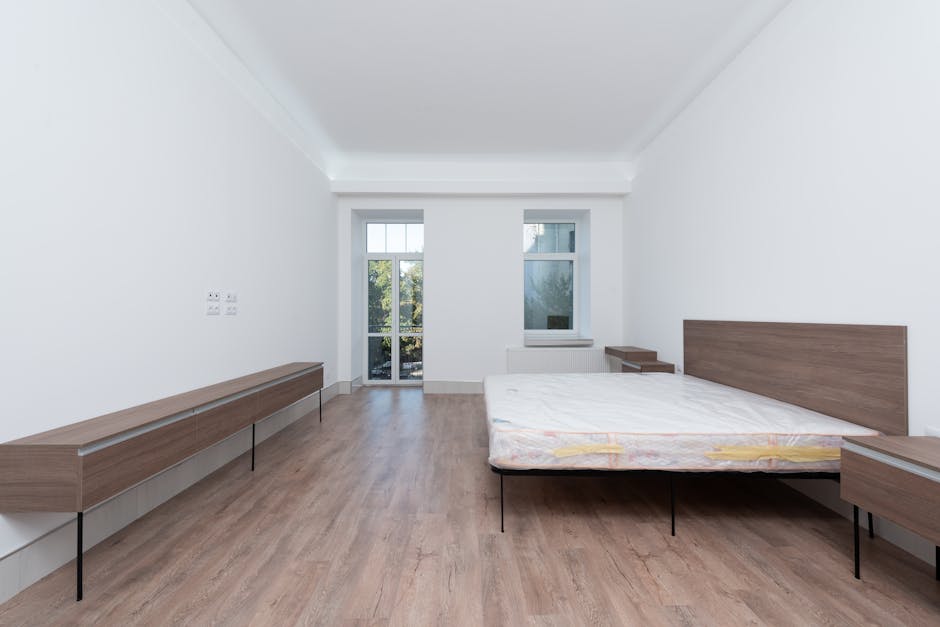
Mattress disposal options for Hoxton flats (N1 postcode)
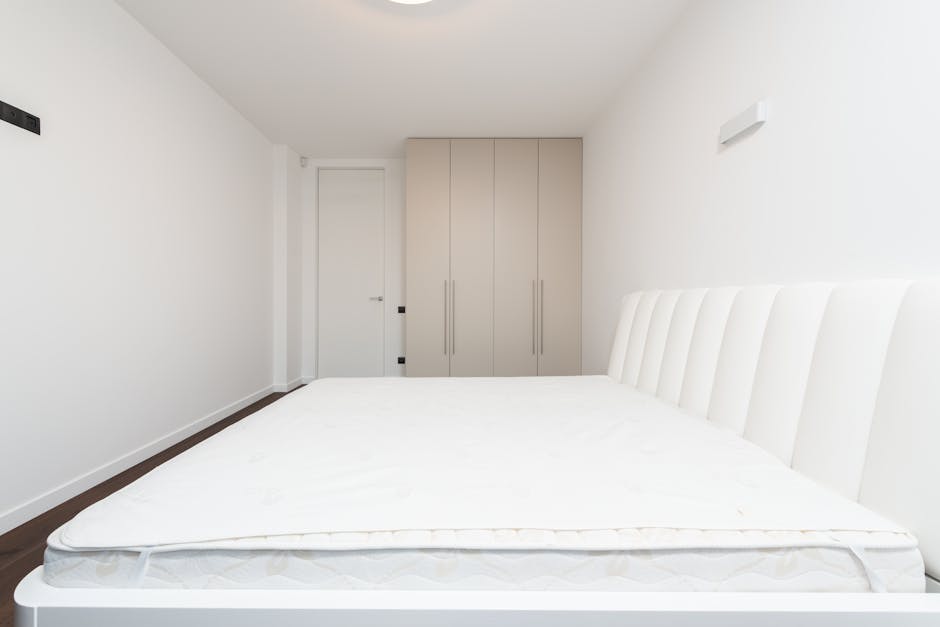
If you live in a Hoxton flat and need to get rid of an old mattress, the job can feel oddly harder than it should. Narrow stairwells, awkward bends, no lift, shared entrances, and the general "where on earth do I put this until collection day?" problem can turn a simple task into a mini project. The good news is that there are several sensible mattress disposal options for Hoxton flats (N1 postcode), and the best one depends on your building, your timing, and how hands-on you want to be.
This guide walks through the practical choices, what usually works best in flat blocks, and how to avoid the common mistakes that cause delays, damage, or unnecessary stress. You'll also find a clear checklist, a comparison table, and a few local-minded tips that make the whole process less of a faff.
Why Mattress disposal options for Hoxton flats (N1 postcode) Matters
Mattresses are bulky, awkward, and not especially forgiving when you need to move them through a compact London flat. In a house, you can usually get one out with a bit of planning and a friend. In a Hoxton flat, the story changes quickly. Tight hallways, shared staircases, concierge rules, neighbours' bikes in the way, and limited roadside access all make the difference.
It matters for another reason too: mattresses are not the sort of item you want to "just leave out back" and hope for the best. That can create fly-tipping risk, complaints from neighbours, and extra hassle for building management. A clean, organised mattress removal protects your flat, keeps common areas clear, and saves you from that sinking feeling when the thing has been sitting in your hallway for three days. Nobody wants that.
There's also the practical side. An old mattress can be heavy, dusty, and a bit unhygienic. If it has been stored for a while, you may notice stale smells or trapped moisture, and if the springs have gone, it can be awkward to fold or carry. In our experience, most people underestimate the physical awkwardness more than the actual disposal itself.
For residents in N1, the best solution is usually the one that fits your space rather than the one that looks easiest on paper. A collection that works well in a house across the road may be totally wrong for a second-floor flat with no lift. That is the real issue. Not the mattress. The building.
If you need a broader clearance alongside the mattress, it can be worth looking at related services such as flat clearance or furniture disposal, especially when you are clearing a bedroom, spare room, or moving out altogether.
Table of Contents
- Why Mattress disposal options for Hoxton flats (N1 postcode) Matters
- How Mattress disposal options for Hoxton flats (N1 postcode) Works
- Key Benefits and Practical Advantages
- Who This Is For and When It Makes Sense
- Step-by-Step Guidance
- Expert Tips for Better Results
- Common Mistakes to Avoid
- Tools, Resources and Recommendations
- Law, Compliance, Standards and Best Practice
- Options, Methods, or Comparison Table
- Case Study or Real-World Example
- Practical Checklist
- Conclusion
- Frequently Asked Questions
How Mattress disposal options for Hoxton flats (N1 postcode) Works
At a basic level, mattress disposal means removing the item from your flat and ensuring it ends up in the right place next. That might mean reuse, recycling, or general waste handling depending on the condition of the mattress and the service you choose.
The actual process is usually straightforward, but the details matter. Here is how it tends to work in real life:
- You identify the mattress type and condition: single, double, king, sofa bed mattress, memory foam, sprung, or heavily soiled.
- You decide whether the mattress can be reused, recycled, or must be treated as waste.
- You check access: stairs, lift size, parking, loading space, and whether the mattress can be carried without damaging walls or bannisters.
- You arrange the disposal method that suits the property and the timeframe.
- You prepare the mattress by stripping bedding, checking for sharp springs or tears, and making a clear route to the exit.
- The mattress is collected, loaded, and taken for the next appropriate stage of handling.
For many people in flats, the key question is not "How do I dispose of a mattress?" but "How do I get it out of the building without upsetting everyone?" Fair question. A large mattress in a narrow stairwell can be more of a puzzle than a project.
There are a few common routes people take. Some try to arrange council collection if that is available and practical, though timing and access can be limiting. Others use a man-and-van style collection or a dedicated waste removal service. If there are other bulky items involved, a broader waste removal approach is often more efficient than booking separate pick-ups.
If you are dealing with a full room clear-out after moving, renovation, or tenancy turnover, a service like home clearance or house clearance may make more sense than treating the mattress as a one-off item. It depends on the situation, really.
Key Benefits and Practical Advantages
The right mattress disposal option does more than remove a bulky item. It reduces friction across the whole process. Less lifting, fewer trips down the stairs, and less chance of scuffing the walls on your way out. That sounds small, but anyone who has wrestled a mattress through a Victorian-style hallway knows exactly why it matters.
- Less strain on you: You avoid the awkward lifting, twisting, and manoeuvring that can turn into back pain very quickly.
- Better for flat living: Shared entrances and stairwells stay clear, which is helpful for neighbours and building managers alike.
- More predictable timing: A planned collection usually beats waiting around with a mattress blocking your bedroom.
- Lower risk of damage: Professional handling or a well-organised collection reduces marks on walls, doors, and bannisters.
- Cleaner outcome: Old mattresses can carry dust, odours, or general wear, so removing them promptly improves the room straight away.
- Potential recycling route: Where appropriate, parts of a mattress may be separated for recycling rather than simply sent away as mixed waste.
There is also a quiet mental benefit. Once the mattress is gone, the room feels more usable. A spare room becomes a real room again. A bedroom stops feeling half-finished. That kind of reset can be surprisingly satisfying on a grey Tuesday morning, especially in a small flat where every square metre counts.
For residents comparing disposal with collection-led services, the clearer and more complete the job list is, the easier it becomes to judge value. If your old mattress is part of a broader furniture refresh, have a look at furniture clearance as a practical option that can bundle several items together in one visit.
Who This Is For and When It Makes Sense
This topic is relevant to quite a few people in Hoxton, not just people moving house. In fact, a lot of mattress disposal requests come from ordinary life changes rather than major upheaval.
You may need it if you are:
- moving out of a flat and cannot take the mattress with you
- replacing a tired mattress that has finally had enough
- preparing a rental flat for new tenants
- clearing a guest room, box room, or studio space
- dealing with a mattress that has become damaged, stained, or unhygienic
- managing a flat share where nobody wants to be the one stuck with disposal duty
It also makes sense if your building makes DIY disposal a headache. Some N1 flats have decent lift access and service entries. Others do not. If your route includes a narrow turn halfway down the stairs and a neighbour's pram parked right where you need to pass, you may already know the answer. You will probably want a collection service that deals with the lifting for you.
Landlords and letting agents may also find this useful. When tenants leave behind a mattress, the priority is usually speed, cleanliness, and restoring the space for the next resident. In those cases, combining mattress disposal with a wider clear-out can save time. A flat clearance service is often a sensible fit when there is more than one item involved.
Step-by-Step Guidance
If you want the smoothest possible result, a little preparation goes a long way. Here is a practical sequence that works well for most flat-based mattress disposals.
- Measure the mattress and the route out. Check door widths, stair corners, lift dimensions, and any awkward hallway turns. This takes two minutes and can save a lot of swearing later.
- Remove all bedding. Strip sheets, protectors, pillows, and duvets. Keep textiles separate so they do not become part of the waste pile by accident.
- Check condition. If the mattress is clean and in good shape, there may be more disposal or reuse options. If it is damaged or heavily soiled, treat it as waste and plan accordingly.
- Clear a path. Move shoes, bags, plant pots, small furniture, and anything else that could trip you up. It sounds obvious. People still forget it.
- Protect shared areas. If you are carrying the mattress through a communal corridor or stairwell, be careful with corners and surfaces.
- Choose the right disposal route. A one-off item may suit a collection service; multiple items may justify a broader clearance.
- Book a time that suits building access. If there is a concierge, loading bay, or parking restriction, factor that in early rather than on the day.
- Confirm the collection detail. Make sure you know what the service will take, where it will collect from, and whether someone needs to be present.
One small but useful habit: keep the mattress near the exit only if you can do so safely and without blocking routes. If not, leave it in the room until collection time. There is no prize for creating an obstacle course in your own flat.
If your mattress disposal is part of a bigger refresh, you may also find it helpful to combine it with furniture disposal so you can clear the bed frame, bedside tables, or an old chair in the same visit.
Expert Tips for Better Results
A few small decisions can make mattress disposal much easier in a flat setting. Most of these come from repeated real-world frustration, which is honestly the best teacher.
- Take photos before booking. A quick picture of the mattress, the stairwell, or the lift entrance helps you think through access properly.
- Use two people if moving it yourself. One person at each end is far safer than attempting a solo shuffle down the stairs.
- Choose the right time of day. Mid-morning or early afternoon often feels less cramped than the busiest commuter hours.
- Ask about recycling where relevant. A lot of mattresses contain components that can be separated, so it is worth asking how the item is handled.
- Bundle similar items together. One collection for a mattress, bed base, and side table is usually more efficient than three separate arrangements.
- Keep building rules in mind. Some blocks have quiet hours, lift booking systems, or loading instructions that are easy to miss if you are rushing.
And if you are doing this after a long day, pause for a second before you start hauling things around. A tired person with a mattress in a tight stairwell is not the ideal combination. Cup of tea first, maybe. Then the heavy lifting.
For readers who want to understand disposal choices in a more sustainable direction, the recycling and sustainability page is a useful companion when thinking about what happens after the collection itself.
Common Mistakes to Avoid
Most mattress disposal problems are avoidable. The trouble is, they are also very easy to make when you are in a hurry.
- Leaving it in a communal area too long. That can create safety issues and annoyance for neighbours.
- Not checking access properly. A mattress that fits the bedroom door may still fail at the stairwell turn.
- Forgetting about the bed frame. People often plan the mattress removal and then realise the base is still there, waiting.
- Assuming every service takes every item. Some collections have specific limits, so always confirm the item list.
- Trying to force a mattress through tight spaces. This is how walls get scuffed and tempers rise.
- Ignoring condition issues. A damaged or damp mattress may need different handling from a clean one.
- Waiting until the last minute. This is the classic move, and it nearly always makes the job harder than necessary.
There is a small human truth here: people usually only realise how annoying a mattress is once they have to move it. It is the furniture equivalent of a cardboard box that has learnt resistance.
Tools, Resources and Recommendations
You do not need a van full of equipment to handle a mattress disposal well. You do, however, need a few practical basics if you are doing any part of it yourself.
- Work gloves: Helpful for grip and for protecting your hands from rough fabric or springs.
- Measuring tape: Essential for checking hallways, doors, and lift openings.
- Ratchet straps or sturdy ties: Useful if the mattress needs to be secured in transit.
- Dust sheet or old cover: Helps keep the mattress clean while moving it through the flat.
- Phone flashlight: Handy for dim stairwells and basement entries.
- Bin bags for bedding: Useful for keeping sheets, protectors, and small accessories together.
In terms of service choice, many Hoxton residents prefer a local collection approach because it fits flat living better than trying to arrange their own transport. If you are comparing practical disposal solutions, the service pages most closely related to mattress work are waste removal, furniture clearance, and, where a whole room needs clearing, home clearance.
If you are managing the job for a tenant, guest property, or small rental turnover, remember that speed is not the only factor. Neatness and reliability matter too. A same-day fix is great, but only if it actually removes the mattress without making a scene in the stairwell. No one wants that bit of theatre.
Law, Compliance, Standards and Best Practice
Mattress disposal in the UK should be handled responsibly, with attention to lawful waste handling and safe movement through shared spaces. Without turning this into legalese, there are a few common-sense principles worth following.
First, do not abandon a mattress in a common area, outside a block, or beside a bin store unless it has been arranged and placed exactly as instructed. Unauthorised dumping can create fly-tipping problems and inconvenience for other residents. In flats, shared responsibility is a big deal because everyone feels the knock-on effects quickly.
Second, use a waste handler or clearance method that is appropriate for the item and the property. A reputable service should be able to explain what happens to the mattress, how it is loaded, and what to expect on the day. Clear communication is not a luxury here. It is part of good practice.
Third, think about health and safety. Mattresses can be heavy, bulky, and sometimes unhygienic. If the item is contaminated, damp, or broken, avoid trying to wrestle it alone. That is not being cautious for the sake of it; it is just sensible. The same goes for stairs and awkward corners. A bad lift can cause both injury and property damage.
Building rules matter too. Some Hoxton blocks have strict arrangements for access, lift use, or communal areas. If you are unsure, check with building management before moving the item. A quick ask can save a surprisingly embarrassing conversation later.
When in doubt, choose the option that is safest, cleanest, and easiest to evidence. That is good practice in a flat, and it is the same mindset that works across other clearance tasks too. If you are interested in how the company approaches safe work more broadly, the health and safety policy and insurance and safety pages are useful trust signals.
Options, Methods, or Comparison Table
There is no single best mattress disposal route for every Hoxton flat. The right choice depends on access, condition, speed, and how much else you need removed. Here is a straightforward comparison.
| Option | Best for | Pros | Watch-outs |
|---|---|---|---|
| DIY move to disposal point | Ground-floor flats or easy access | No booking needed, full control | Heavy lifting, transport risk, not ideal for tight stairways |
| Collection service for one item | Single mattress, quick removal | Convenient, less strain, usually simpler | Needs good access and clear collection arrangements |
| Furniture or waste clearance | Mattress plus bed frame or other items | Efficient, one visit, less hassle overall | May cost more than a one-item move, though often better value |
| Flat clearance | Full room or move-out situation | Best for multiple bulky items, tidy outcome | More planning needed, not necessary for a single item |
| Recycling-led handling where suitable | Clean, serviceable mattresses | Better resource use, practical sustainability angle | Depends on condition and available handling route |
For many N1 residents, the strongest middle ground is a collection service that handles one or more bulky items at once. It keeps the job simple without forcing you into a full clearance you do not actually need. On the other hand, if you are already replacing furniture, combining items can be much smarter.
Case Study or Real-World Example
A typical Hoxton flat scenario goes like this. A tenant in a third-floor flat decides to replace a double mattress after years of use. The mattress is still dry, but the cover is worn and the springs have started to creak in that unmistakable way you only notice at 2 a.m. The building has a narrow stairwell and no lift. There is also a small landing turn halfway down, which is always the bit people underestimate.
Instead of trying to drag it out on their own, they measure the route, strip the bedding, and clear the hallway before collection day. They also check whether the bed base needs removing as well. It does. Of course it does.
Because the mattress is only one part of the job, they choose a broader clearance approach rather than arranging separate pickups. The result is simple: the bedroom is cleared in one visit, the hallway stays tidy, and there is no repeated lifting up and down the stairs. The whole thing is over before lunch. The room feels bigger immediately, which is funny in a way because the mattress never looked that big until it was gone.
That kind of example is common in flats. The job itself is not complicated; the building layout is what drives the decision. If you plan for the property, not just the item, the whole process becomes a lot smoother.
Practical Checklist
Use this checklist before you book or move anything:
- Confirm the mattress size and type
- Check whether the mattress is clean, damaged, or heavily soiled
- Measure doors, stairs, and lift access
- Decide whether the bed frame or other items are going too
- Clear the hallway and protect shared areas
- Check building access rules and parking considerations
- Choose the most suitable disposal method for your timeframe
- Strip bedding and separate textiles
- Keep someone available if collection access needs to be confirmed on the day
- Ask how the mattress will be handled after collection where that matters to you
Expert summary: For Hoxton flats, the best mattress disposal option is usually the one that matches your access and your volume of items, not just the cheapest-looking choice. If the stairs are tight or the mattress is one part of a bigger clear-out, convenience and safe handling usually win.
Get a free quote today and see how much you can save.
Conclusion
Mattress disposal in Hoxton flats is one of those jobs that seems simple until you stand in front of the stairwell and realise the building has other ideas. The good news is that with a little planning, it becomes perfectly manageable. Measure first, choose the right disposal route, and be honest about access. That alone rules out most of the stress.
If you are dealing with a single mattress, a basic collection may be enough. If you are clearing a bedroom, replacing furniture, or dealing with a move-out, a broader clearance approach will often save time and energy. Either way, the goal is the same: a clean exit, a tidy flat, and no awkward mattress lingering in the corridor. Simple enough. Not always easy, but simple enough.
And once it is done, you really do feel the difference. A room without the old mattress just breathes better. Strange but true.
Frequently Asked Questions
What is the easiest way to dispose of a mattress in a Hoxton flat?
The easiest route is usually a collection service that can handle the lifting and transport for you, especially if your flat has stairs, narrow halls, or limited access. That keeps the job straightforward and reduces the risk of damage.
Can I leave a mattress in the communal area for collection?
Only if it has been specifically arranged and is permitted by your building rules. Otherwise, leaving it in shared spaces can create safety issues, block access, and cause complaints from neighbours.
Do I need to remove the bed frame as well?
Not always, but it is often sensible to deal with the frame at the same time if it is being replaced. Bundling items together can be more efficient than organising separate removals later.
What if my mattress is stained or damaged?
A stained or damaged mattress may need to be treated as waste rather than something suitable for reuse. In that case, a proper disposal or waste removal service is usually the more practical option.
How do I measure whether a mattress will fit out of my flat?
Measure the mattress itself, then measure door widths, stair turns, and any lift openings. The tricky part is often not the doorway but the corner halfway down the stairs.
Is it worth booking a full flat clearance for one mattress?
Usually not for a single item alone. But if you also need to remove other bulky furniture or bedroom contents, a flat clearance can be better value and much less hassle overall.
Can mattress disposal be combined with other furniture removal?
Yes, and that is often the smarter choice. If you have a bed base, wardrobe, chair, or other bulky items going as well, combining them can save time and reduce repeat visits.
What should I do before the collection day?
Strip the bedding, clear the route, check access arrangements, and make sure someone is available if the collector needs help finding the item or entering the building.
Are there recycling options for old mattresses?
In some cases, yes. Mattresses can contain materials that may be separated and processed, depending on their condition and the handling route used. It is worth asking how the item will be managed.
What is the safest way to move a mattress down stairs?
Use two people if possible, keep the mattress under control, and avoid forcing it around tight corners. If the route feels awkward or unsafe, it is usually better to let a collection team handle it.
How far in advance should I plan mattress disposal in N1?
As early as you reasonably can, especially if you live in a block with restricted access or if you need the mattress gone before a move-out or tenancy handover. Leaving it late tends to make everything more stressful.
Where can I learn more about the company and its standards?
You can read more about the team on the about us page, and review service information such as pricing and quotes or contact us if you want to ask a question before booking.