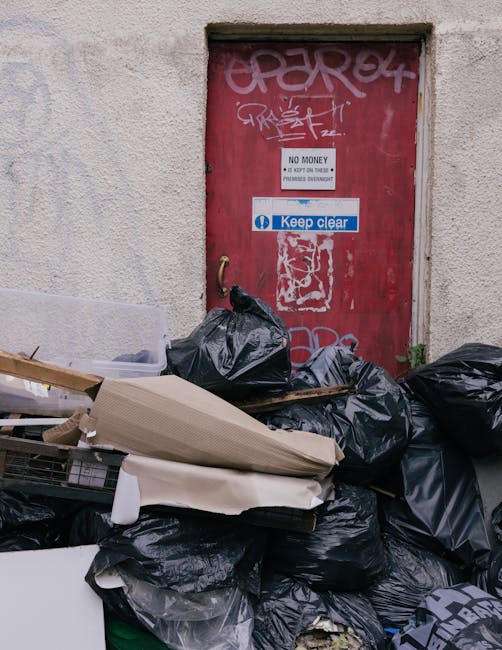
Same-day rubbish removal for Hoxton flood or fire debris
When a flat, shop, office, or basement in Hoxton has been hit by flooding or fire, the mess is rarely just "rubbish". It is often a mix of damaged furniture, soaked cardboard, plaster dust, blackened materials, broken fittings, and items that smell damp or smoky. In that moment, speed matters. Same-day rubbish removal for Hoxton flood or fire debris is about getting unsafe, heavy, and contaminated waste out quickly so the space can be assessed, dried, repaired, or made usable again.
To be fair, the first few hours can feel chaotic. You are trying to work out what is salvageable, what is dangerous, and what must go immediately. This guide walks through how same-day removal works, why it matters, what to expect, and how to choose a safe, sensible service in Hoxton without adding more stress to an already difficult day.
For readers who want to check related service details while they compare options, it can also help to review the provider's pricing and quotes information, along with its insurance and safety approach and health and safety policy.
Table of Contents
- Why Same-day rubbish removal for Hoxton flood or fire debris Matters
- How Same-day rubbish removal for Hoxton flood or fire debris Works
- Key Benefits and Practical Advantages
- Who This Is For and When It Makes Sense
- Step-by-Step Guidance
- Expert Tips for Better Results
- Common Mistakes to Avoid
- Tools, Resources and Recommendations
- Law, Compliance, Standards, or Best Practice
- Options, Methods, or Comparison Table
- Case Study or Real-World Example
- Practical Checklist
- Conclusion
- Frequently Asked Questions
Why Same-day rubbish removal for Hoxton flood or fire debris Matters
Flood and fire damage create a different kind of waste problem from normal house clearance. The debris is often wet, soot-covered, structurally awkward, and sometimes hazardous. If it sits too long, it can quickly make the property harder to dry, harder to clean, and more expensive to repair. That is the simple truth.
In Hoxton, where properties can range from compact flats above shops to busy commercial units and shared buildings, time and access are often limited. One staircase blocked by a burnt sofa or waterlogged cupboards can delay everything else. Same-day removal helps clear the route for electricians, surveyors, insurers, cleaners, or restoration teams. It can also reduce odours, mould risk, and the sense that the place is still "stuck" in the incident.
There is also a safety side. After a fire, debris may contain sharp fragments, soot residue, weakened materials, or hidden hotspots. After flooding, items may be heavy with water, contaminated, or unstable. Trying to move all of that yourself is not just tiring; it can be risky. That is why many people prefer a specialist local team who understands what to remove, what to separate, and what should be handled carefully.
If you are assessing how a provider approaches quality and responsible disposal, it is worth reading their recycling and sustainability commitments. It gives a good sense of whether waste will be managed thoughtfully rather than simply tipped and forgotten.
How Same-day rubbish removal for Hoxton flood or fire debris Works
The process is usually quicker than people expect. A good same-day service is built around rapid response, practical sorting, and safe loading. The goal is not to overcomplicate things. It is to get the property cleared efficiently so the next stage can begin.
1. Initial contact and a brief description
You explain what happened, what kind of debris is present, where the property is, and whether access is straightforward. A flooded basement in Hoxton obviously behaves differently from a fire-damaged office on a busy street, so the team needs a clear picture before arriving.
2. Assessment of waste type and access
Some items will be obvious: ruined furniture, wet carpet, broken shelving, scorched packaging, or damaged fixtures. The team may also ask about access points, parking, staircases, lifts, or any restrictions in the building. That matters a lot in London. A quick job can become awkward if there is no clear route out.
3. Safe removal and sorting
Debris is loaded carefully and separated where needed. Not everything belongs in one pile. Some materials may need different handling, especially if they are contaminated by soot, water, or broken glass. A practical crew will work methodically, not just start throwing things into a vehicle. You want calm, not chaos.
4. Transport and disposal
Waste should be taken to the appropriate facility for sorting, recycling where possible, and lawful disposal of anything unsuitable for reuse. The provider's responsibility does not end at the kerb. If you are comparing services, the details on payment and security are also worth checking before you book, especially if you want a smooth and transparent handover.
5. Final sweep and handover
After the main debris is removed, a final sweep helps leave the space ready for cleaning, drying, or remedial work. This last step sounds small, but it is often what turns a stressful clearance into a genuinely useful one. Dust in the corner, a stray nail, a soggy strip of insulation - these little leftovers matter.
Expert summary: The best same-day flood or fire debris removal is fast, but not rushed. It should prioritise safety, access, lawful disposal, and a clean handover so the next phase of recovery can start without delay.
Key Benefits and Practical Advantages
Same-day removal is not just about convenience. In a damaged property, speed solves several problems at once.
- Reduces safety risks: Removes broken, wet, or fire-damaged materials that may cause trips, cuts, slips, or contamination.
- Helps stop secondary damage: Clearing soaked waste quickly can support drying and reduce mould pressure.
- Improves access: Lets builders, surveyors, electricians, and restoration teams work without obstruction.
- Lowers stress: When the debris is gone, the space feels manageable again. That emotional shift is real.
- Supports insurance or repair processes: A cleared site is easier to document, inspect, and restore.
- Saves time and labour: Moving heavy, awkward debris yourself can take hours, and then some.
- Better waste handling: A responsible service can separate recyclable materials and dispose of waste appropriately.
There is also a subtle benefit people often overlook: momentum. Once the rubbish is out, decisions get easier. The place starts feeling like it is moving forward rather than sitting in limbo.
Who This Is For and When It Makes Sense
This service is useful for a wide range of people and situations, not just major disasters. Sometimes the need is obvious; sometimes it creeps up on you after the first cleanup attempt makes the problem worse.
Homeowners and tenants
If a kitchen flood has ruined cabinets, a storage room has taken on water, or a fire has left behind smoke-damaged furniture, same-day rubbish removal can help prevent the property from becoming unliveable for longer than necessary. Tenants may also need quick clearance before a landlord, insurer, or contractor visits.
Landlords and letting agents
Rental properties need to turn over quickly. Flood or fire debris left in a flat can delay repairs, viewings, and compliance work. Fast removal can keep a bad situation from becoming a prolonged vacancy.
Offices and commercial units
A damaged office, studio, or shop often has business-critical items mixed in with waste. Think old desks, broken signage, soaked stock, or fire-damaged packaging. Clearing it promptly helps protect the rest of the building and keeps the business response moving.
Builders and restoration teams
Contractors often need a site cleared before they can begin repairs. If the debris is bulky or contamination is a concern, using a same-day removal team can keep the project on schedule.
People unsure whether to salvage or clear
Sometimes the need makes sense only after a quick look. If an item is soaked through, smells of smoke, has warped, or has been exposed to dirty flood water, it may be safer to remove it rather than keep debating it for hours. Let's face it, that uncertainty is exhausting.
Step-by-Step Guidance
If you are dealing with flood or fire debris today, the best approach is calm and structured. You do not need to solve everything at once. Just take the next right step.
- Make the area safe first. If there is any risk of structural instability, exposed wiring, lingering heat, gas smell, or contaminated water, do not start moving waste around casually. Safety comes before speed.
- Take quick photos if needed. This can help for records, insurance, or repair planning. Keep it simple. A few clear images are usually enough.
- Separate obvious salvage from waste. If there are documents, valuables, or items that may be cleaned and kept, move them aside early. Do this carefully and only if it is safe.
- List the biggest items and the access points. A short note about sofas, cabinets, appliances, fire-damaged panels, or wet carpet helps a same-day team plan the visit.
- Ask about handling and disposal. Good providers will explain how they deal with mixed waste, recyclable materials, and contamination concerns.
- Confirm timing and access. In Hoxton, parking, stair access, and building restrictions can affect the job. A realistic arrival window matters more than a vague promise.
- Prepare a clear path. If you can safely open doors, move loose obstacles, or identify the waste pile before the crew arrives, the clearance usually goes faster.
- Check the handover. Once removal is complete, walk the space and make sure the key debris is gone and the area is left tidy enough for the next contractor or cleaner.
One small but useful habit: keep a notepad or phone list of what has been removed. It sounds mundane, but after a stressful incident, memory gets fuzzy. A list helps.
Expert Tips for Better Results
A few practical choices can make a big difference to the result. These are the sort of details that often separate a smooth clearance from a frustrating one.
Be honest about the scale
If the job is bigger than a few items, say so. People sometimes understate the amount of debris because they do not want to sound dramatic. Truth be told, the crew would rather arrive prepared than be surprised by six soaked wardrobes and a staircase full of rubble.
Ask what will happen to mixed debris
Flood and fire waste can be messy and varied. Ask how the team separates reusable material, recyclable waste, and items that need specific disposal. That is a good sign of professionalism.
Check the company's approach to safety
After an incident, there is enough risk already. A provider that is clear about handling methods, insurance, and site safety is usually the safer bet. You can also review their health and safety policy and insurance and safety information before booking.
Keep access practical
If there is a way to make the path out of the property clearer, do it. Move loose boxes, unlock gates, and make sure someone can explain building access quickly. A two-minute delay becomes ten if the crew has to hunt for a key or phone the wrong neighbour.
Use the service to reduce clutter, not just damage
Sometimes fire or flood reveals old stored items that should go anyway. If you have a damaged office or back room, clearing the old clutter while you are already paying for removal can be a smart move. Not glamorous, but smart.
Common Mistakes to Avoid
In an urgent situation, it is easy to make decisions that create more work later. A few common mistakes crop up again and again.
- Waiting too long: Wet and smoke-damaged materials can worsen quickly, especially in enclosed spaces.
- Trying to salvage everything immediately: Some items are not worth the risk. Prioritise safety and practical value.
- Mixing hazardous-looking debris with ordinary waste: Keep anything suspicious separate until it has been assessed.
- Hiring on price alone: Cheap is not always cheap if the service is slow, unprepared, or careless with disposal.
- Ignoring access issues: Parking and entry problems can derail the timeline.
- Forgetting follow-up cleaning or drying: Removal is one step, not the whole recovery plan.
One thing people sometimes overlook is odour. Smoke and damp smells can cling to soft furnishings, cardboard, and insulation. Removing the source quickly usually makes the rest of the cleanup much easier.
Tools, Resources and Recommendations
You do not need a van full of equipment to manage the first stage well, but a few simple tools and resources can help.
- Heavy-duty gloves: Useful when sorting sharp or dirty debris.
- Masks or face coverings: Helpful where dust or smoke residue is present, though they are not a substitute for proper safety checks.
- Strong bin bags and boxes: Good for smaller loose items, labels, and salvageable materials.
- Basic torch: Handy if lighting is poor after a power outage or damage incident.
- Phone camera: Useful for documenting the condition of the property before and after clearance.
- Contact list: Keep insurer, landlord, contractor, and clearance contacts in one place.
If you want to compare service information before arranging removal, the provider's quotes page can help you understand how estimates are handled. For people who value responsible disposal, the recycling page is also worth a read.
And if you are looking for the company's broader information or next step, the main Hoxton site is the natural place to start. Sometimes the straightforward route is the best route.
Law, Compliance, Standards, or Best Practice
Fire and flood clearance is not just a practical task; it also sits within a wider duty of care. In the UK, waste must be handled responsibly, and anyone arranging removal should think about how materials are collected, transported, sorted, and disposed of. You do not need to be an expert in waste law to make a sensible choice, but it helps to work with a provider that treats compliance as part of the job rather than an afterthought.
Best practice usually includes:
- carrying appropriate insurance for the work
- using safe lifting and handling methods
- separating recyclable materials where possible
- disposing of contaminated or damaged items properly
- keeping clear records where relevant for commercial or insurance purposes
For business premises, there may also be internal health and safety procedures, landlord requirements, or insurer expectations to consider. If you are unsure, ask the provider how they manage risk on site and how they handle waste that may need special care. That conversation often tells you a lot.
It is also sensible to choose a company that presents its policies clearly. Pages such as modern slavery statement and complaints procedure may seem like back-office details, but they are actually useful trust signals. A business that is transparent about how it operates is usually easier to work with when things are already under pressure.
If you need practical details on how a provider communicates and supports users, their accessibility statement can also be a reassuring sign that customer needs are taken seriously.
Options, Methods, or Comparison Table
Different clearance approaches suit different situations. A quick comparison can help you decide what is sensible for a flood or fire job in Hoxton.
| Method | Best for | Pros | Limitations |
|---|---|---|---|
| DIY clearance | Very small, safe, non-contaminated amounts | No booking required, immediate control | Time-consuming, physically demanding, risky with damaged items |
| Van hire + self-disposal | People with access, time, and lifting support | Flexible, useful for mixed domestic waste | Parking, loading, disposal rules, and safety concerns can become a headache |
| Planned next-day clearance | Non-urgent jobs | More time to prepare and compare options | Not suitable when access, hygiene, or restoration timing matters |
| Same-day professional rubbish removal | Flood or fire debris, urgent access needs, heavy or dirty waste | Fast, safer, less disruptive, better for recovery timelines | May cost more than non-urgent options, depends on access and volume |
For most fire or flood situations, same-day professional removal is the most balanced option because it deals with speed, safety, and practicality at once. Not always, but most of the time.
Case Study or Real-World Example
Imagine a small Hoxton studio flat where a plumbing failure has soaked the hallway, a wardrobe, several boxes, and part of a soft furnishing area. The floor is damp, the smell is already starting to build, and the tenant needs the space cleared before the drying equipment arrives.
In that kind of situation, a same-day team would usually focus first on the heaviest and most compromised items. Waterlogged furniture is removed before it can keep soaking the floor. Cardboard and fabric waste go next because they hold moisture and odour. If access is tight, the crew may work item by item through a narrow stairwell, keeping the route clear and avoiding extra mess.
Now imagine a fire-damaged commercial unit after a small electrical incident. The main issue may not be total destruction; it may be soot, smoke smell, and debris blocking the rear storage area. In that case, the priority is to remove charred packaging, broken fittings, and damaged stock so cleaners and contractors can assess the deeper damage. You can almost feel the place breathing again once the bulky waste is gone.
What people usually remember later is not the technical detail. It is the relief. The room looks smaller for a moment, then suddenly larger. The silence after the clutter has gone. A bit of normality returning.
Practical Checklist
Use this checklist before the removal team arrives. It keeps things simple and reduces last-minute confusion.
- Confirm the property address and access details.
- Identify the main debris types: flood-damaged, fire-damaged, mixed, or bulky waste.
- Set aside any items that should be salvaged or documented.
- Check whether electricity, water, or gas concerns need to be addressed first.
- Take a few photos for your records if appropriate.
- Clear a path to the affected area where it is safe to do so.
- Ask how the team handles recycling, disposal, and contamination.
- Review any insurance or landlord requirements.
- Confirm the estimated arrival window and payment process.
- Make sure you know who will meet the crew on site.
Small but useful reminder: if the damage is extensive, do not try to tidy everything before help arrives. Leave the heavy lifting to the people set up for it.
Conclusion
Same-day rubbish removal for Hoxton flood or fire debris is really about getting control back quickly. It clears dangerous waste, makes the property safer to enter, and gives builders, cleaners, insurers, and occupants a proper starting point. In a situation that already feels disruptive, fast and careful removal can make the next decisions much easier.
The best results usually come from a provider that is responsive, clear about safety, transparent about pricing, and respectful of the fact that this is not just "rubbish" to you. It is part of a bad day, sometimes a very bad one, and it deserves a calm, competent response.
Get a free quote today and see how much you can save.
And if you are still in the middle of it, take a breath. The mess can be dealt with. One clear step at a time, that is how these things move forward.
Frequently Asked Questions
Can same-day rubbish removal handle both flood and fire debris?
Yes, as long as the provider is equipped to deal with mixed damaged waste. Flood and fire debris often include bulky furniture, contaminated materials, and items that need careful handling, so it is worth explaining the situation clearly when you book.
How quickly can a same-day removal team arrive in Hoxton?
Timing depends on availability, access, and the scale of the job. In some cases, a team can attend quickly on the same day; in others, a short delay may be needed to prepare the right vehicle or crew. A realistic arrival window is always better than a vague promise.
Is fire-damaged waste safe to move myself?
Sometimes small, stable items can be handled carefully, but larger fire-damaged waste is often best left to professionals. Soot, sharp debris, weakened materials, and hidden hotspots can all create risks. If you are unsure, do not push it.
What should I do before the rubbish removal team arrives?
Make the area as safe and accessible as possible, take photos if needed, separate any valuables or salvageable items, and give the team clear information about what needs removing. If access is tricky, tell them in advance.
Will flood-damaged items smell bad when they are being removed?
They often do, especially if they have been wet for a while. That is normal, though unpleasant. Prompt removal helps reduce odour and makes the property easier to dry and clean afterwards.
Can a same-day service remove wet carpets and damaged furniture?
Yes, most can remove bulky items like wet carpets, soaked sofas, cupboards, and other damaged furnishings, provided access is safe and the job details are explained upfront. Heavier items may need a clear path and extra labour.
How do I know if a company is suitable for flood or fire clearance?
Look for clear safety information, insurance details, transparent pricing, and sensible communication. If the provider explains how they handle contaminated waste, access issues, and disposal, that is a strong sign they know what they are doing.
Is same-day rubbish removal more expensive than standard clearance?
Often yes, because urgent jobs need faster scheduling and immediate resources. The exact cost depends on volume, access, and the type of waste. If you want a clearer idea before you commit, ask for a written quote.
What happens to the waste after collection?
It should be transported to the appropriate facility for sorting, recycling where possible, and lawful disposal of the rest. A responsible provider should be able to explain its disposal approach in plain English.
Can businesses in Hoxton use this service after a fire or flood?
Absolutely. Offices, shops, studios, and storage spaces often need fast clearance so inspections, repairs, and reopening plans can move ahead. Business sites may also have extra safety or access considerations, so mention those early.
What if I only need part of the debris removed today?
That is fine. Sometimes the urgent task is just clearing a walkway, removing the worst items, or getting one room ready for restoration. A good service can usually tailor the work to the immediate priority.
Should I worry about recycling after flood or fire damage?
Yes, but in a practical way. Some materials may still be recyclable depending on condition and contamination, while others will need disposal. A provider with a clear sustainability approach can help handle that responsibly without making the process more complicated for you.